Web Performance & Core Web Vitals Blog
Practical articles on Core Web Vitals, Lighthouse optimization, and web performance best practices.
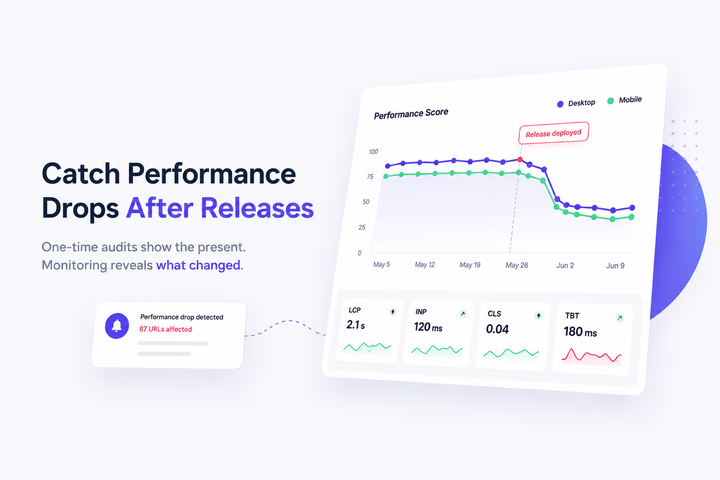
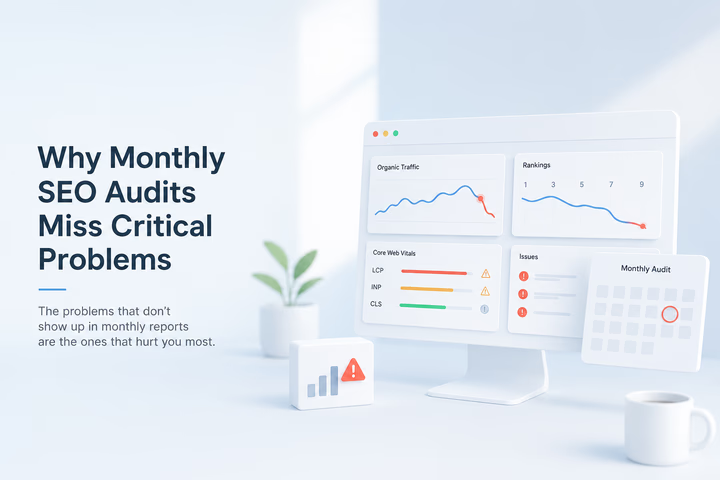
Website Performance Regression Monitoring: What One-Time Lighthouse Audits Miss After a Release
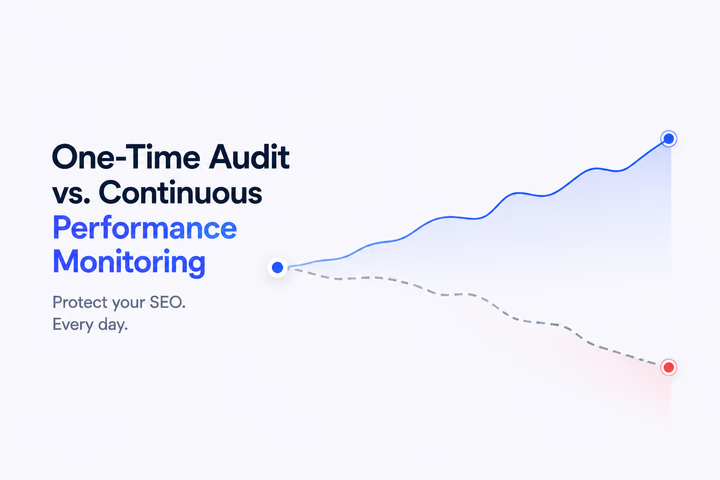
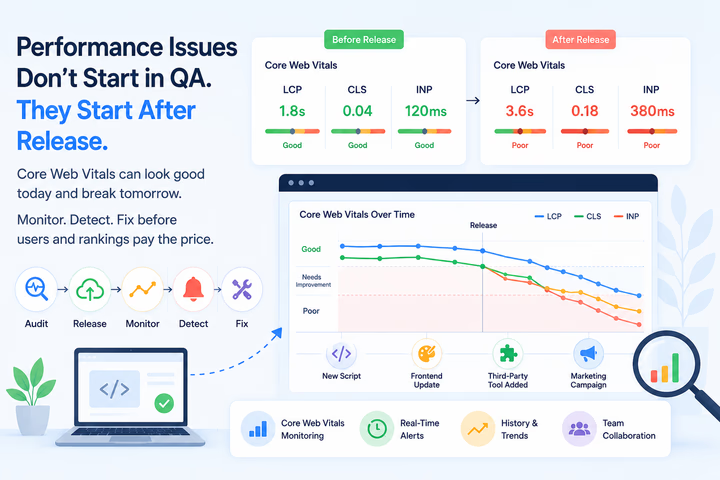
One-time Lighthouse audits show how a page performs right now, but they don't tell you what changed after a release. Learn how performance regression monitoring helps teams detect when performance drops, which URLs are affected, and where to start investigating.

Your Next Website Visitor May Be an AI Agent. Is Your Site Ready?
AI agents still depend on URLs, redirects, rendering, HTTP responses, and reliable access to your content. Learn why technical regression monitoring may matter more for AI readiness than another GEO checklist.
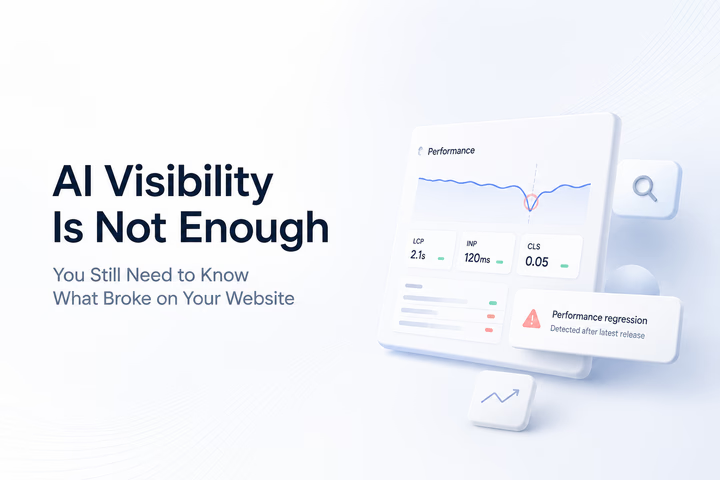
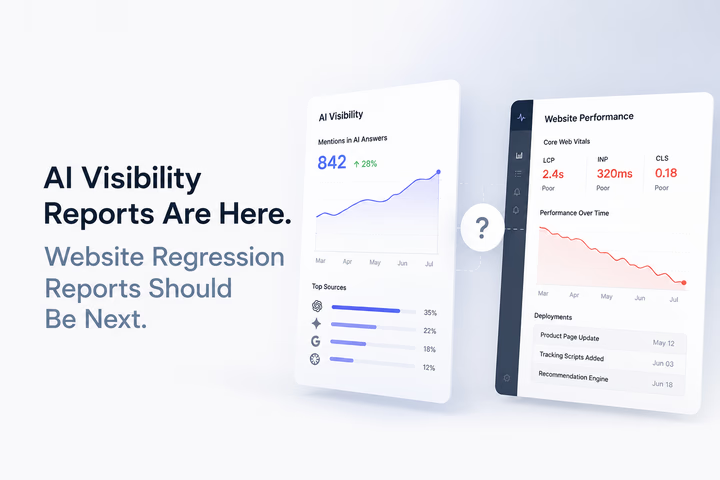
AI Visibility Is Not Enough: You Still Need to Know What Broke on Your Website
AI can recommend your product, but it can't tell you when your latest deployment quietly slowed down your website. Learn why ongoing SEO monitoring and performance regression monitoring matter just as much as AI visibility.
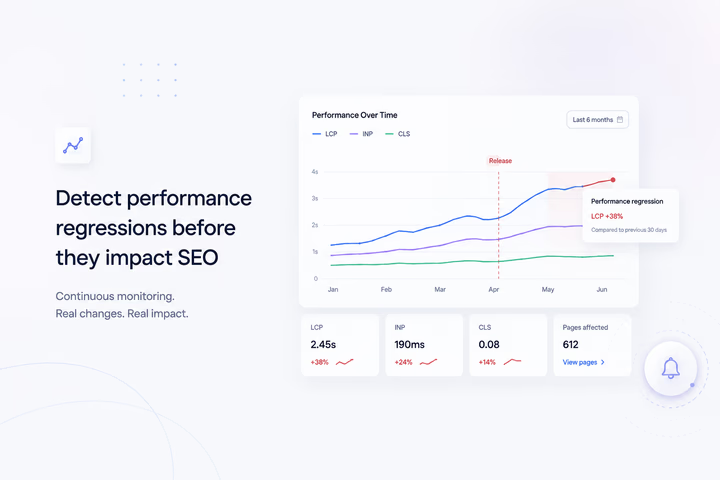
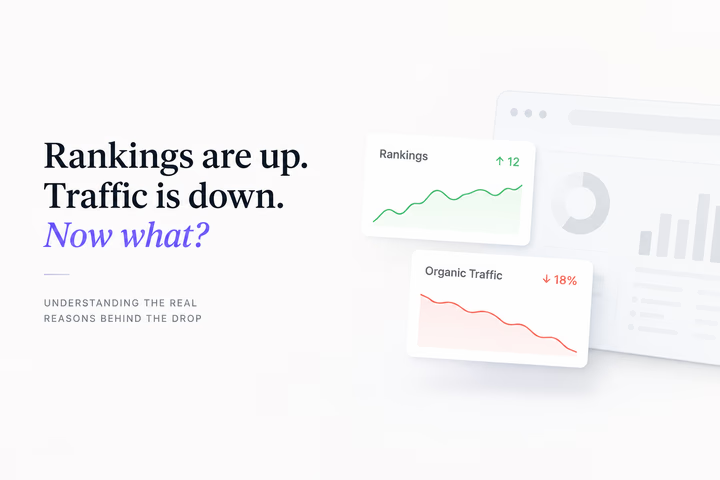
Performance Regression Monitoring: The Missing Part of SEO
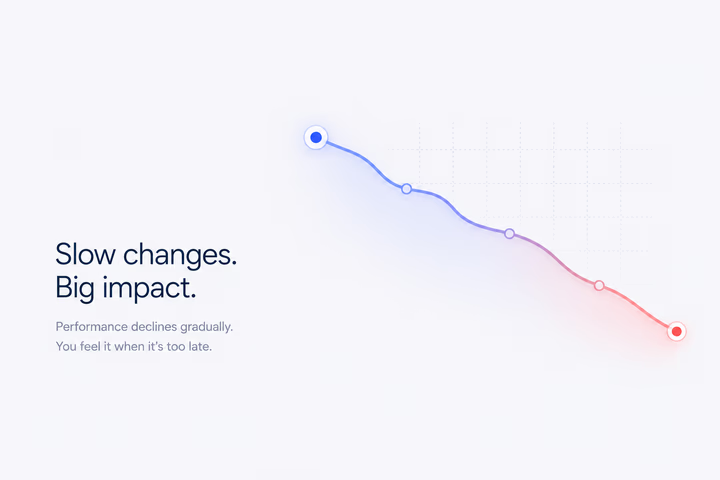
One-time Lighthouse audits only show a snapshot. Discover how performance regression monitoring helps identify performance regressions after releases before they impact rankings.
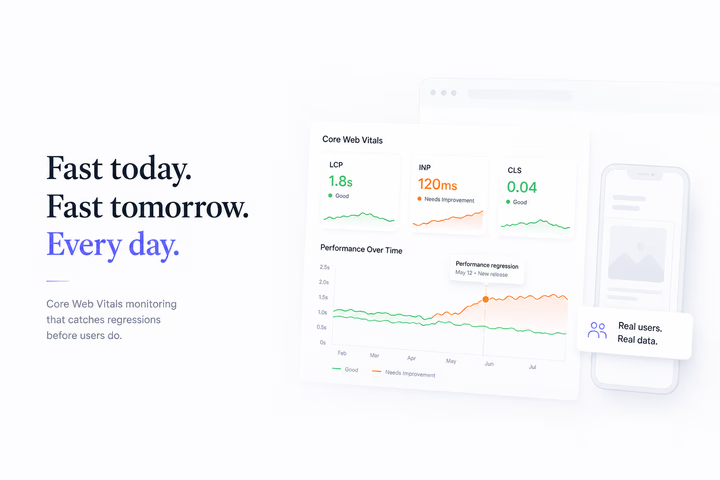
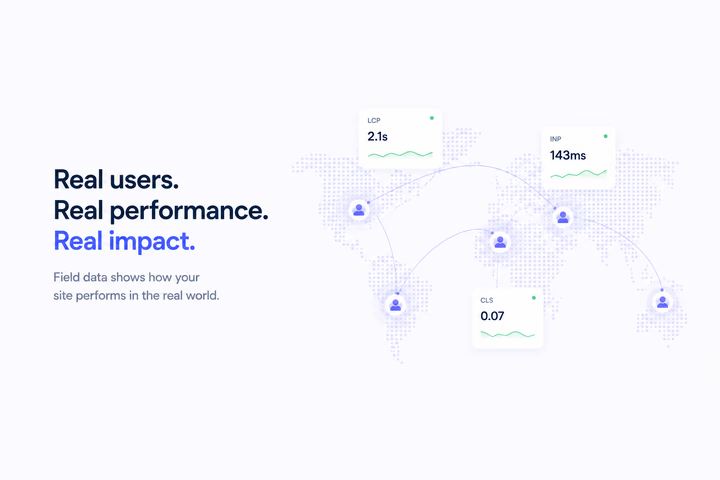
Core Web Vitals Monitoring: The Complete Guide
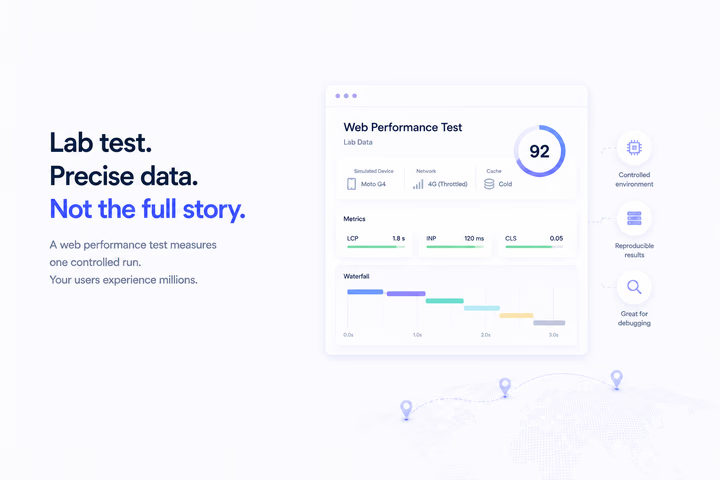
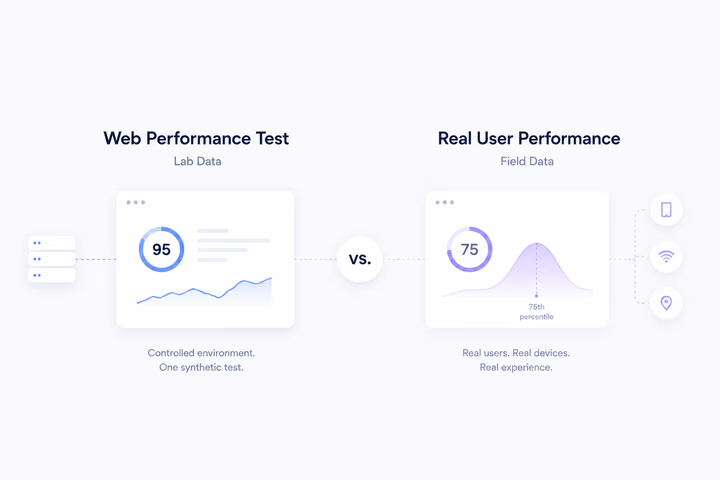
Core Web Vitals monitoring means tracking LCP, INP, and CLS on real users over time, not just running a Lighthouse audit once. This guide covers the metrics, lab vs field data, why one-time audits miss regressions, and how to monitor performance at scale.
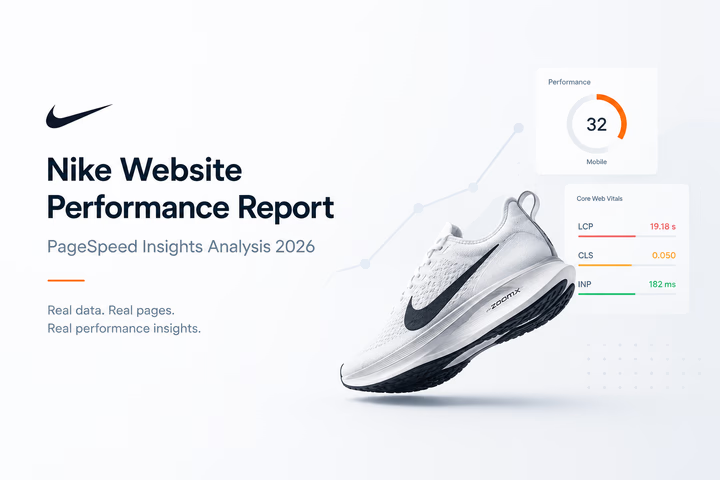
Nike Website Performance Report 2026: PageSpeed Insights Analysis
Want to run the same analysis on your own ecommerce site? PSI Lynx continuously monitors Core Web Vitals, Lighthouse metrics, and performance regressions across hundreds or thousands of URLs, so you can catch issues before they affect users or organic traffic.