
The Problem With Static SEO Reports on Large Ecommerce Websites
Most SEO reports are already outdated by the time the next ecommerce release goes live. On large websites, rankings, Core Web Vitals, and product page performance can change much faster than traditional reporting cycles can track.
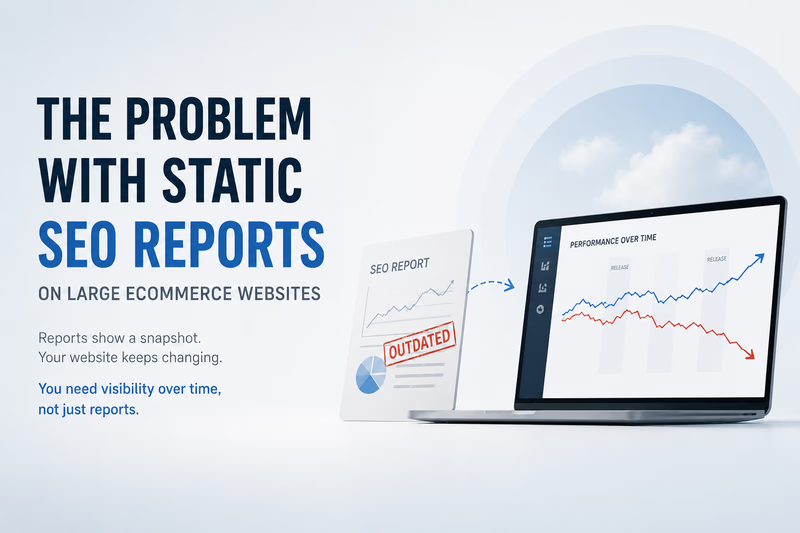
Most SEO reports are already outdated by the time the next ecommerce release ships. On a large store, rankings, Core Web Vitals, and product-page performance can move faster than a monthly reporting cycle can track, so a report that looked accurate last week no longer matches what users are experiencing today. That lag is the core problem with static SEO reporting on large ecommerce sites: the snapshot goes stale between releases.
Most reports look perfectly reasonable when first delivered. The agency prepares a detailed SEO website analysis report, exports Lighthouse scores, checks rankings, reviews technical recommendations, and sends it all to the client in a polished PDF. For a few days it feels like everyone finally understands the state of the website.
Then the next release goes live. A week later product pages load more slowly on mobile, category templates behave inconsistently, Search Console shows unstable Core Web Vitals across certain URL groups, and rankings quietly decline on pages that used to perform well. Suddenly the original report no longer reflects reality.
Why ecommerce websites change too quickly for static reports
Modern ecommerce platforms are constantly evolving. Developers ship frontend updates, marketing teams add tracking systems, merchandising teams launch experiments, and third-party integrations keep changing how pages behave behind the scenes. A large site may change dozens of times a month without anyone fully realizing how those changes affect technical SEO.
That creates a hard situation for agencies. A traditional SEO site analysis report can explain how the website looked at one moment, but it rarely explains how performance changes after multiple releases, frontend updates, and new integrations start interacting. It’s especially noticeable on sites with:
- dynamic product filters
- recommendation engines
- personalization systems
- localization layers
- large JavaScript bundles
- aggressive analytics tracking
- multiple frontend teams
On these platforms, rankings and Core Web Vitals can shift surprisingly fast.
Why SEO reports often fail to explain ranking changes
Many companies still lean on static reporting. An agency generates a website ranking report, reviews visibility changes, and sends monthly updates. The problem is that rankings often change faster than the reporting cycle. By the time someone notices a decline in a report, the actual technical problem may have existed for weeks.
This gets harder on large ecommerce sites where different templates behave differently. The homepage may still perform well while hundreds of product pages quietly get slower after several deployments. Mobile responsiveness may drop only on filtered category pages. Certain scripts may hurt rendering only under specific user conditions. A static report rarely captures that level of operational complexity, which is one reason many agencies struggle to explain confidently why rankings changed after releases.
Why agencies need more than traditional SEO reporting
A lot of agencies are finding that traditional SEO software reporting no longer gives enough visibility for modern ecommerce platforms. Clients increasingly expect them to explain:
- why rankings changed
- when regressions started
- which releases affected performance
- why Core Web Vitals became unstable
- which templates are getting slower
- how mobile performance evolved over time
That’s hard to answer with isolated reports. A single SEO website ranking report may show the symptoms, but not the timeline behind the problem. This is why more agencies are moving toward continuous monitoring instead of relying only on static SEO reporting tool online platforms.
Why “SEO website report free” tools usually miss the real problems
Free SEO reporting tools can still be useful for quick checks, especially on smaller sites. The problem is that large ecommerce platforms behave very differently from small marketing sites. A homepage Lighthouse audit or a quick SEO site ranking checker may look healthy while deeper templates quietly accumulate problems after every release.
On enterprise ecommerce sites, technical SEO problems often appear gradually across hundreds or thousands of URLs at once. Without historical visibility, those patterns are extremely hard to spot, which is exactly why many top SEO reporting tools still struggle to explain regressions on large websites. Most reporting systems focus on generating reports. Far fewer focus on continuously tracking how website behavior changes over time.
Why continuous visibility matters more than reports
The agencies doing best on large ecommerce accounts usually aren’t the ones making the most beautiful reports. They are the ones keeping visibility after the report is finished. When agencies continuously monitor rankings, Core Web Vitals, template behavior, and release-related regressions, client conversations get far more productive. Instead of guessing, teams can actually see:
- when rankings started changing
- which templates became unstable
- whether releases affected mobile responsiveness
- how product page performance evolved over time
- when Core Web Vitals began degrading
That shifts the whole workflow from reactive reporting to operational visibility.
What this means for large stores
Static SEO reports still have value. They help agencies identify technical issues, explain opportunities, and communicate website health to clients. But modern ecommerce sites evolve too quickly for one-time reports to give reliable long-term visibility. Frontend releases, tracking systems, personalization engines, and third-party integrations constantly affect rankings and performance in ways that are hard to catch manually. That is why more agencies are moving beyond traditional SEO software reporting toward continuous monitoring that shows how a website actually changes over time, because on large ecommerce platforms, what happens after the report is usually more important than the report itself.